
Quality Control Inspection in Vietnam: Complete Guide for Importers

Viet Nam Candles

Why Quality Problems Happen — Even with Factories You Trust

Even reliable suppliers ship defective goods. The cause is rarely deliberate fraud — it is usually production pressure, raw material substitution, communication gaps, or human error on the line. Common scenarios:

  • Rush to meet deadline — factory skips internal QC steps to ship on time
  • Material substitution — cheaper wax, thinner glass, lower-grade rattan used without notifying you
  • Specification drift — the factory interpreted your spec slightly differently than intended and no one caught it
  • Packaging shortcuts — goods are correctly made but improperly packed, causing transit damage
  • End-of-line sorting only — defects that slip through a final check are already packed in cartons

A pre-shipment inspection catches all of these while the goods are still at the factory — when something can still be fixed. Once the container is sealed and on the water, your options cost orders of magnitude more.

Types of QC Inspection in Vietnam

Pre-Production Inspection (PPI)

Conducted before production begins. The inspector verifies that raw materials and components match your approved specifications before the factory starts manufacturing. Best for: new suppliers, high-value orders, technically sensitive products where early problems compound.

During Production Inspection (DUPRO)

Conducted when 20–40% of production is complete. The inspector checks the first production units against your approved sample and confirms whether the production pace will meet your delivery deadline. Best for: large orders where catching a problem early saves significant rework cost.

Pre-Shipment Inspection (PSI) — Most Common

Conducted when at least 80% of production is complete and goods are packaged and ready to ship. The inspector randomly samples finished units and checks workmanship, dimensions, appearance, quantity, packaging, and labeling. Best for: almost every order — this is the standard inspection type for international importers.

Container Loading Supervision (CLS)

An inspector is present when the container is loaded at the factory. They verify the correct goods are loaded, quantity matches the packing list, and goods are loaded correctly to minimize transit damage. Best for: large shipments, first orders with a new factory, or buyers who have experienced substitution issues.

Understanding AQL — In Plain English

AQL stands for Acceptable Quality Level. It is the international standard that defines how many defects are acceptable in a sampled batch before the shipment fails inspection. The key principle: inspecting every unit in a large order is not practical, so inspectors use statistically valid random sampling.

The AQL number tells you the maximum percentage of defective units considered acceptable in the sample before the shipment triggers a fail result.

Defect TypeStandard AQLWhat This Means
Critical — safety hazard, wrong product0Zero tolerance. Any critical defect = immediate fail.
Major — clearly visible, affects function or appearance2.5Up to 2.5% of sample allowed before failing.
Minor — small cosmetic issue, does not affect use4.0Up to 4.0% of sample allowed before failing.

For home decor products — candles, ceramic planters, woven baskets — the standard setting is AQL 2.5 for major defects and AQL 4.0 for minor defects.

What Gets Checked: Product-Specific Defects

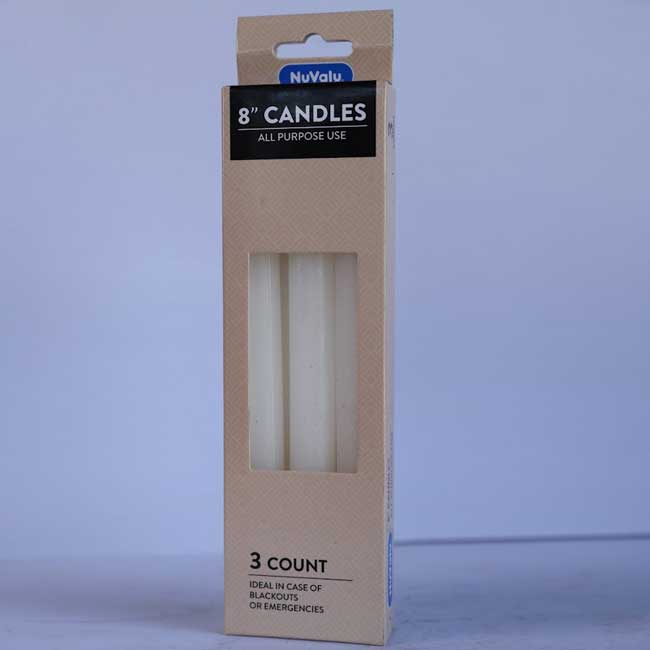
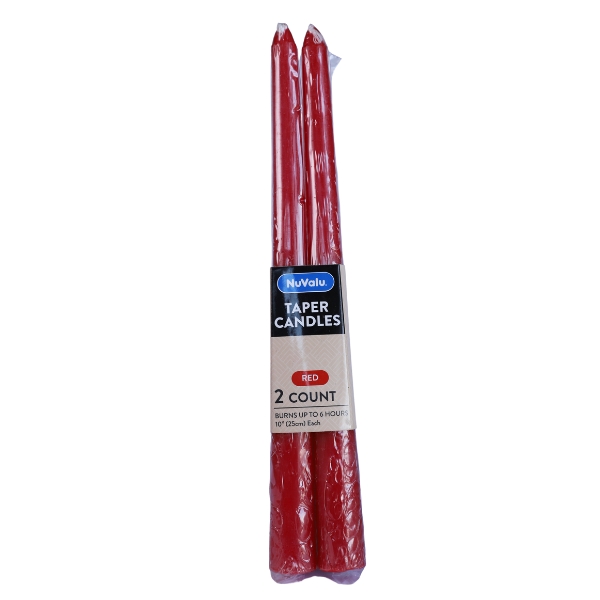
Candles

  • Wax surface — cracks, sinkholes, discoloration, air pockets
  • Wick position — centered within 2mm tolerance; trimmed to correct height
  • Fragrance intensity — scent throw check in an enclosed space
  • Container/glass — chips, cracks, printing defects, adhesive residue
  • Label — alignment, print clarity, regulatory compliance (CLP for EU, California Prop 65 for US)
  • Burn test — 2-hour test on a sampled unit

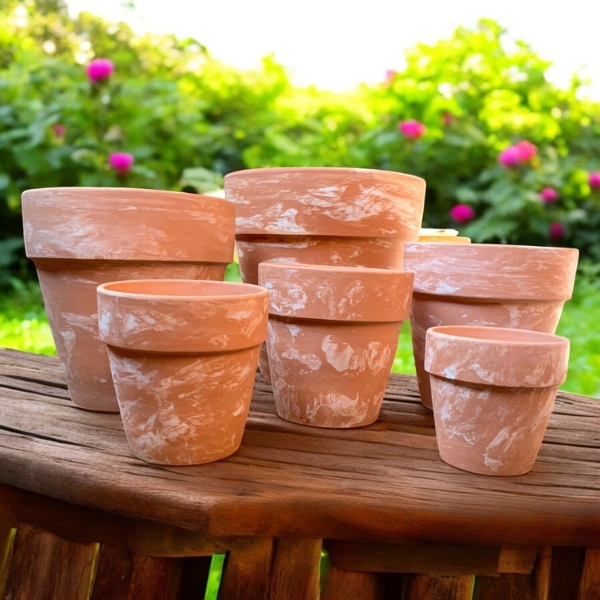
Ceramic Planters

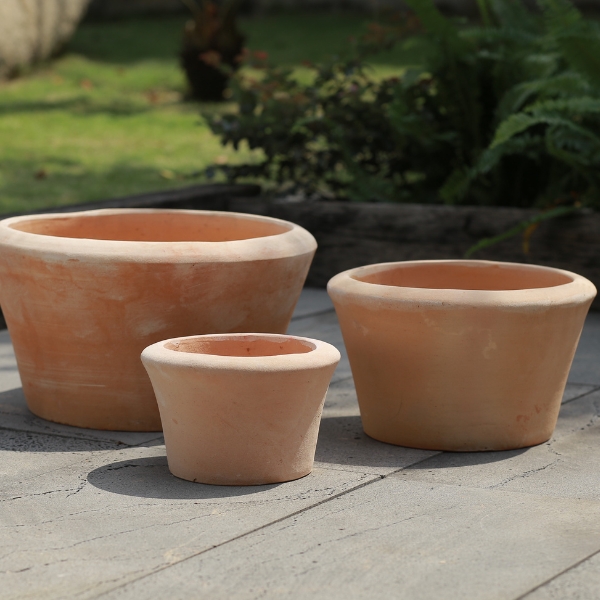
  • Glaze — chips, bubbles, crawling, color deviation beyond agreed tolerance
  • Structure — cracks, warping, base stability
  • Drainage hole — present, correctly positioned, unobstructed
  • Dimensions — within ±3% of specified size (standard for handmade ceramics)
  • Inner packaging — foam, bubble wrap, cardboard dividers adequate for transit

Woven Baskets

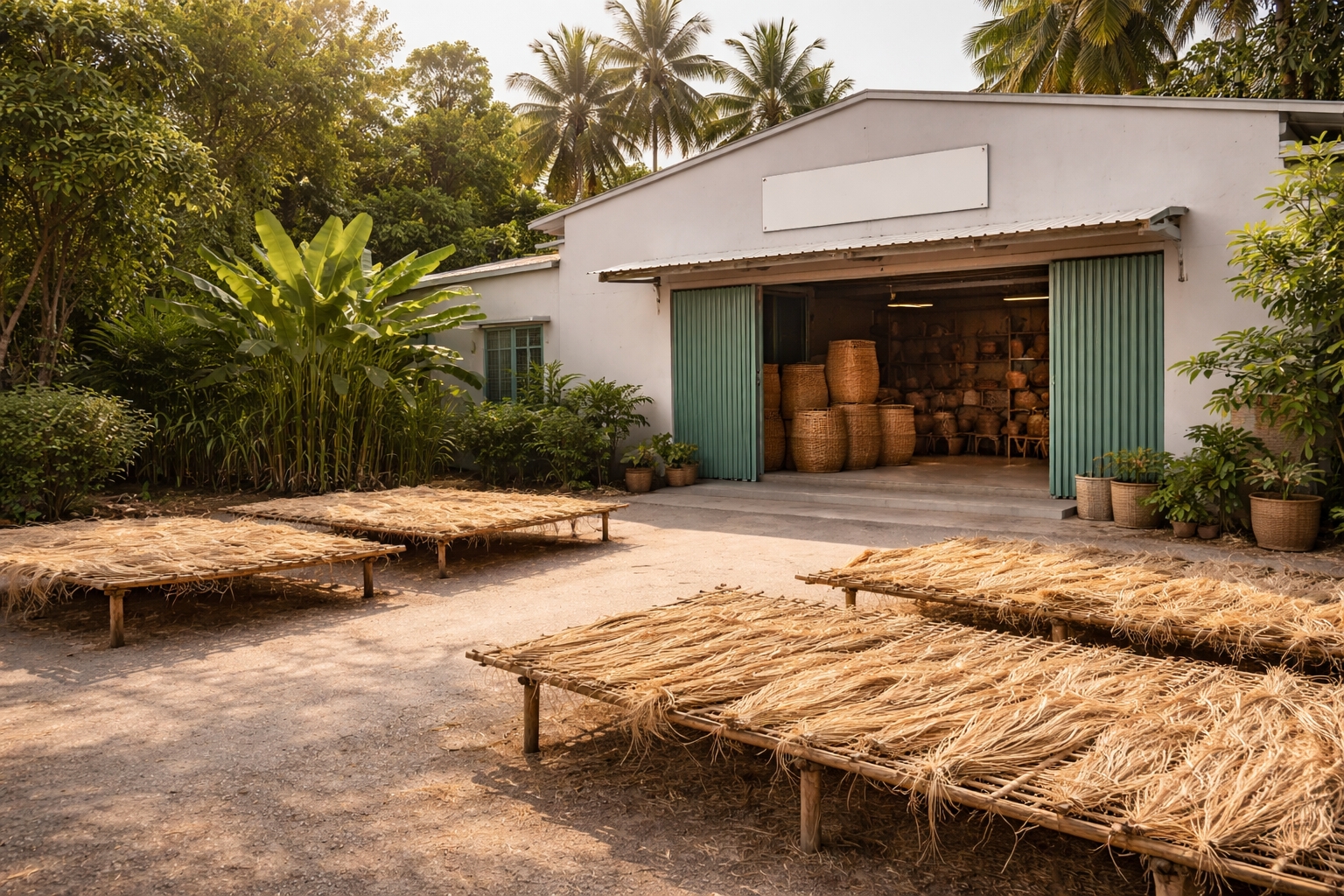
  • Weave integrity — loose strands, gaps, unraveling edges especially at handles and base corners
  • Color — dye fastness (damp cloth rub test), consistency across the batch
  • Shape — basket sits flat, holds shape under light load, handles are symmetrical
  • Odor — no musty or chemical smell (mold risk indicator for ocean transit)
  • Moisture content — high moisture in natural fiber = mold in the container

How a Pre-Shipment Inspection Works — Step by Step

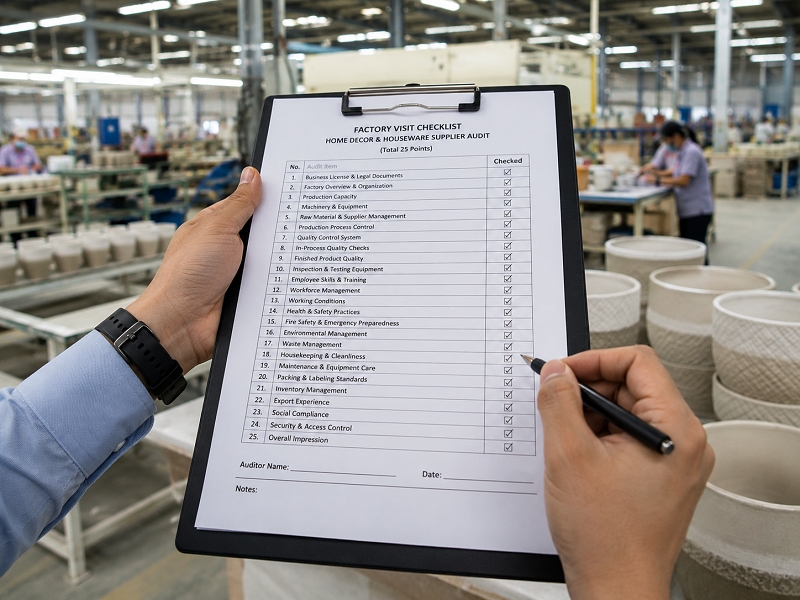
  1. Inspector arrives at the factory with your product specifications, approved sample or photos, AQL level, and product-specific defect checklist
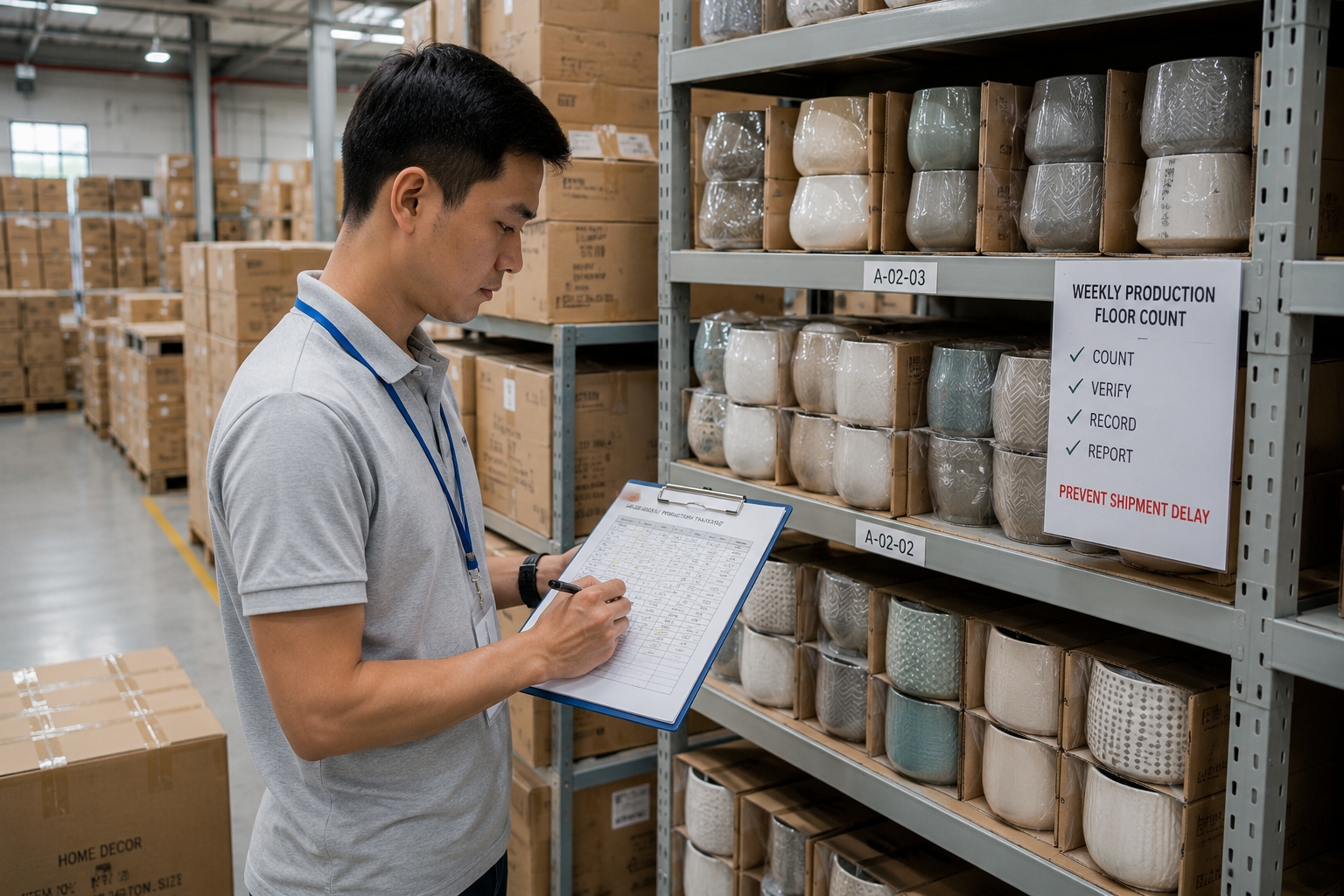
  2. Quantity verification — inspector counts cartons and units against your packing list and purchase order
  3. Random sampling — using AQL tables, the correct number of units is pulled from cartons distributed across the full batch. For a 1,000-unit order at AQL 2.5, this is typically 80 units
  4. Workmanship inspection — each sampled unit is checked against your specifications: dimensions, appearance, color, weight, labeling, and product-specific tests
  5. Packaging inspection — carton drop test, inner packing adequacy, label and barcode scan
  6. Result calculation — defect count is compared against the AQL threshold
  7. Inspection report issued — written report with photographs delivered within 24 hours, with clear pass/fail result and defect breakdown

What Happens When an Inspection Fails

A failed inspection is not the end — it is the point where you still have options:

  • 100% sorting — factory sorts the entire batch, removes all defective units, re-inspection confirms the clean batch
  • Targeted rework — specific defects are corrected (relabeling, repackaging, glaze touch-up), re-inspection of affected units
  • Price reduction — for minor defects slightly above threshold, some buyers negotiate a unit price reduction and accept the shipment
  • Reject and renegotiate — for critical or widespread failures, the shipment is rejected and a replacement or refund is negotiated with the factory

The inspection report is your documented evidence in any dispute with the factory. Without it, your legal position after goods arrive defective is significantly weaker.

How Much Does QC Inspection Cost in Vietnam?

Inspection TypeTypical Cost (USD)
Pre-shipment inspection (PSI) — 1 factory, 1 day$150 – $280
During production inspection (DUPRO)$150 – $280
Container loading supervision (half day)$100 – $180
Full package: PPI + DUPRO + PSI$400 – $750

On a $10,000 order, a $200 pre-shipment inspection is 2% of order value. On a $50,000 order, it is 0.4%. Compare that to the cost of a defective container: return shipping, disposal, replacement production, lost sales, and damaged buyer relationships. The math always favors inspection.

Our QC Inspection Service in Vietnam

Our Quality Control & Inspection service provides AQL-based pre-shipment inspection for candles, ceramic planters, and woven baskets across Ho Chi Minh City, Binh Duong, and Dong Nai. Written report with photographs is delivered within 24 hours of inspection.

Also use our Factory Visit service before placing an order, and our Factory Sourcing & Verification service to find and qualify suppliers. Request a free consultation →

Featured news

Viet Nam Candles
img
WhatsApp
Zalo