


Water Hyacinth vs Seagrass vs Rattan Baskets: Which Is Best for Your Wholesale Business?

More Information
Water Hyacinth vs Seagrass vs Rattan: The Wholesale Buyer's Material Comparison Guide
When sourcing natural fiber baskets from Vietnam, wholesale buyers frequently face the same decision: which material — water hyacinth, seagrass, or rattan — is the right choice for their product range? Each material has distinct properties, aesthetic characteristics, price points, and market appeal. This guide breaks down the key differences to help you make the right sourcing decision for your business.
Water Hyacinth Baskets
Water hyacinth (Eichhornia crassipes) is a fast-growing aquatic plant native to South America that has spread to tropical waterways worldwide, including Vietnam's Mekong Delta. In Vietnam, it is harvested, sun-dried, and woven into a wide range of home storage and decorative products.
- Texture & appearance – Smooth, slightly rounded fiber with a warm golden-brown natural color. Creates a soft, organic aesthetic that photographs well for e-commerce. Available in natural, bleached, and custom-dyed finishes.
- Durability – Good durability for indoor use when properly dried. Susceptible to mold if exposed to excessive moisture or poor drying conditions — moisture content management during production and shipping is critical.
- Weight – Lightweight — excellent for shipping efficiency and consumer handling.
- Price range – Generally the most cost-effective of the three materials for equivalent product types.
- Sustainability story – Strong. Water hyacinth is an invasive species, so harvesting it provides an environmental benefit by controlling waterway overgrowth. Resonates strongly with eco-conscious retail markets.
- Best for – Home storage, laundry hampers, fashion bags, pet houses, decorative trays, gifting baskets. Broad market applicability.
Seagrass Baskets
Seagrass (primarily Lepironia articulata, known locally as "cói") is harvested from coastal wetlands in Vietnam's central provinces. It produces a finer, denser weave than water hyacinth with a distinctive green-tinged natural color that dries to a warm straw tone.
- Texture & appearance – Finer, tighter weave than water hyacinth with a slightly glossy surface. Natural color has more variation — from golden straw to warm grey-green tones. Creates a more refined, coastal aesthetic.
- Durability – Excellent durability and moisture resistance compared to water hyacinth. More suitable for bathroom use and humid environments.
- Weight – Slightly heavier than water hyacinth for equivalent product sizes due to denser weave.
- Price range – Typically 10–25% higher than water hyacinth for equivalent product types due to more labor-intensive weaving.
- Sustainability story – Good. Seagrass is a renewable coastal plant. However, the sustainability narrative is less compelling than water hyacinth (which removes an invasive species).
- Best for – Bohemian and coastal interior design aesthetics, bathroom storage, premium storage sets, Scandinavian home décor market buyers.
Rattan Baskets
Rattan is harvested from climbing palms grown in tropical forests across Vietnam, Laos, and Indonesia. It produces a stiffer, more structured basket that maintains its shape more rigidly than woven grass fibers.
- Texture & appearance – Smooth, rigid poles or split cane with a pale cream to warm tan color. Produces a more formal, structured aesthetic than hyacinth or seagrass. Highly polished appearance possible with lacquered finishes.
- Durability – Excellent durability — the stiffest and most structurally robust of the three materials. Suitable for heavy-use storage and outdoor applications when treated.
- Weight – Heavier than water hyacinth and seagrass, which increases shipping costs per unit.
- Price range – Generally the most expensive of the three materials. Raw material costs are higher and production is more labor-intensive.
- Sustainability story – Moderate. Rattan is renewable but harvest pressure in natural forests is a concern in some regions. Plantation-grown rattan is available as a sustainable alternative.
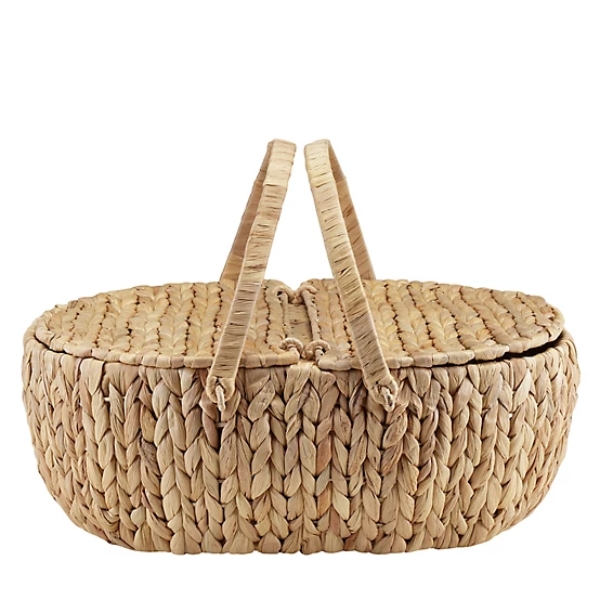
- Best for – Premium storage, wine holders, picnic baskets, outdoor furniture accessories, decorative room dividers, high-end retail.
Side-by-Side Comparison
| Factor | Water Hyacinth | Seagrass | Rattan |
|---|---|---|---|
| Price (relative) | Low–Medium | Medium | Medium–High |
| Durability | Good (dry use) | Very Good | Excellent |
| Weight | Lightweight | Medium | Heavy |
| Moisture resistance | Moderate | Good | Good (treated) |
| Weave flexibility | High | Medium | Low |
| Eco story strength | Excellent | Good | Moderate |
| Fashion bag potential | Excellent | Limited | Limited |
| Pet product potential | Excellent | Limited | Limited |
Which Material Should You Source?
For most wholesale buyers entering the natural fiber basket market, water hyacinth is the recommended starting point — it offers the best combination of price competitiveness, product versatility, and sustainability story. The broad product range available in water hyacinth (from storage baskets to fashion bags and pet houses) allows buyers to build a comprehensive natural fiber range from a single material source.
Seagrass is a strong complement to water hyacinth for buyers targeting the premium Scandinavian or coastal interior design market, where seagrass's finer texture and slightly richer color tone command higher retail price points. Many successful importers carry both materials in their range.
Rattan is best reserved for buyers with established customer bases in the premium home décor or outdoor furniture market, where rattan's structural properties and premium positioning justify the higher FOB price.
Source Natural Fiber Baskets from Vietnam with Vietnam Factory Sourcing
Vietnam Factory Sourcing sources all three material types — water hyacinth, seagrass, and rattan — from verified Vietnamese factories. Whether you are building your first natural fiber range or expanding an existing collection, our team can help you identify the right factories, materials, and products for your target market.
Contact us today to discuss your sourcing requirements, or browse our woven basket product range.
Frequently Asked Questions
Is water hyacinth more sustainable than rattan for wholesale baskets?
Yes, in most cases. Water hyacinth has a particularly compelling sustainability story because it is an invasive aquatic plant — harvesting it for basket production actively benefits the environment by removing a species that disrupts native waterway ecosystems. Rattan, while renewable, comes under greater sustainability scrutiny due to forest harvest pressure. For buyers targeting eco-conscious retail markets, water hyacinth's sustainability narrative is a strong selling point.
Which natural fiber basket material is best for bathroom storage?
Seagrass is generally the best choice for bathroom storage due to its superior moisture resistance compared to water hyacinth. If water hyacinth is preferred for aesthetic or price reasons, ensure the factory treats the fiber adequately and advise end consumers to avoid direct water contact and ensure good bathroom ventilation. Rattan with a lacquered finish is also a good bathroom option.
Can I mix water hyacinth and seagrass products in the same container shipment?
Yes. Mixed container shipments combining water hyacinth and seagrass products are common for wholesale buyers seeking a broader natural fiber range. Vietnam Factory Sourcing can coordinate multi-factory sourcing and LCL or FCL consolidation for buyers combining products from different material suppliers. Contact us to discuss your specific requirements.
Featured news

Ceramic Planter MOQ and FOB Pricing from Vietnam: 2026 Buyer's Reference
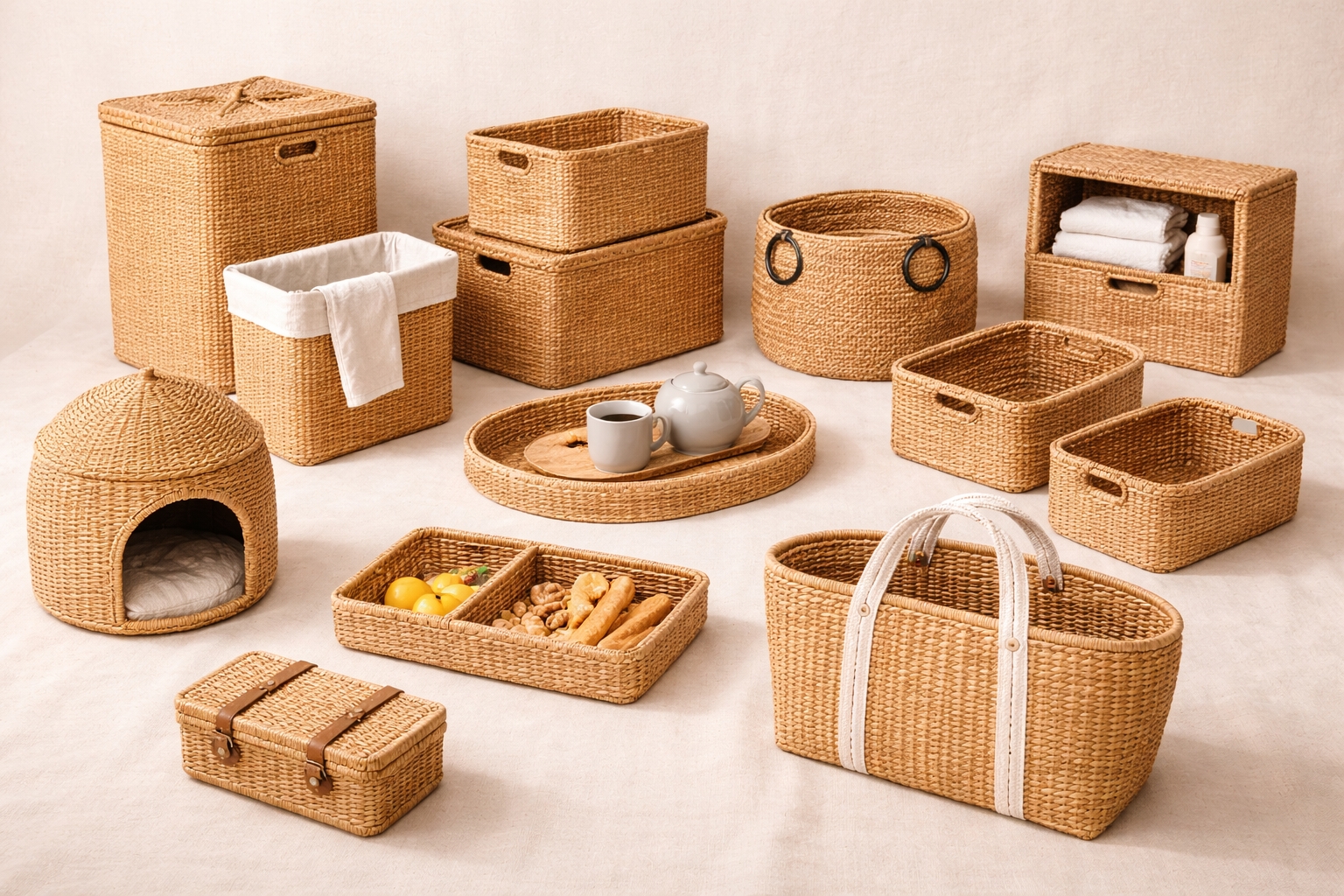
10 Best-Selling Water Hyacinth Basket Products for US and EU Wholesale Buyers in 2025
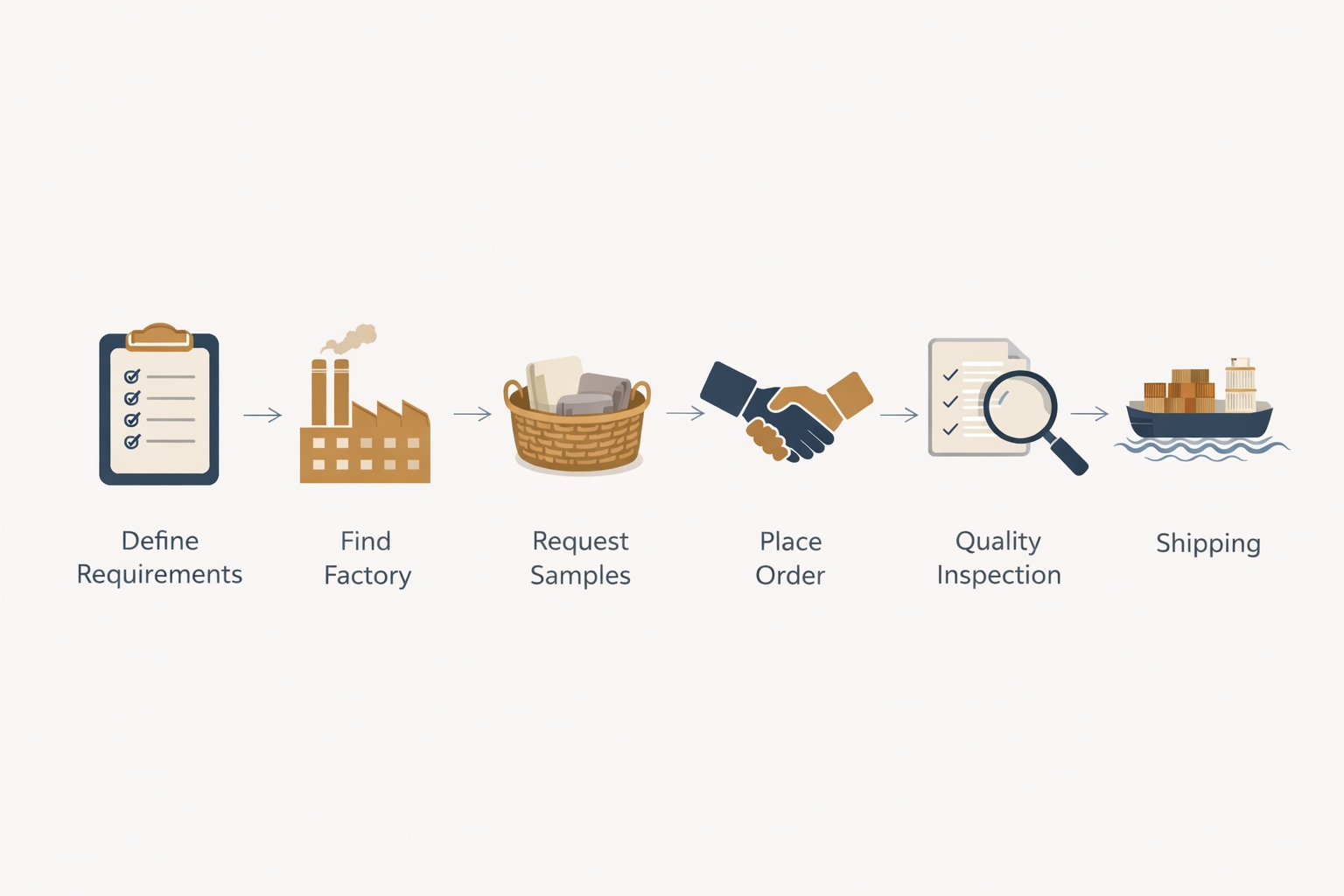
How to Import Water Hyacinth Baskets from Vietnam: Step-by-Step for First-Time Buyers
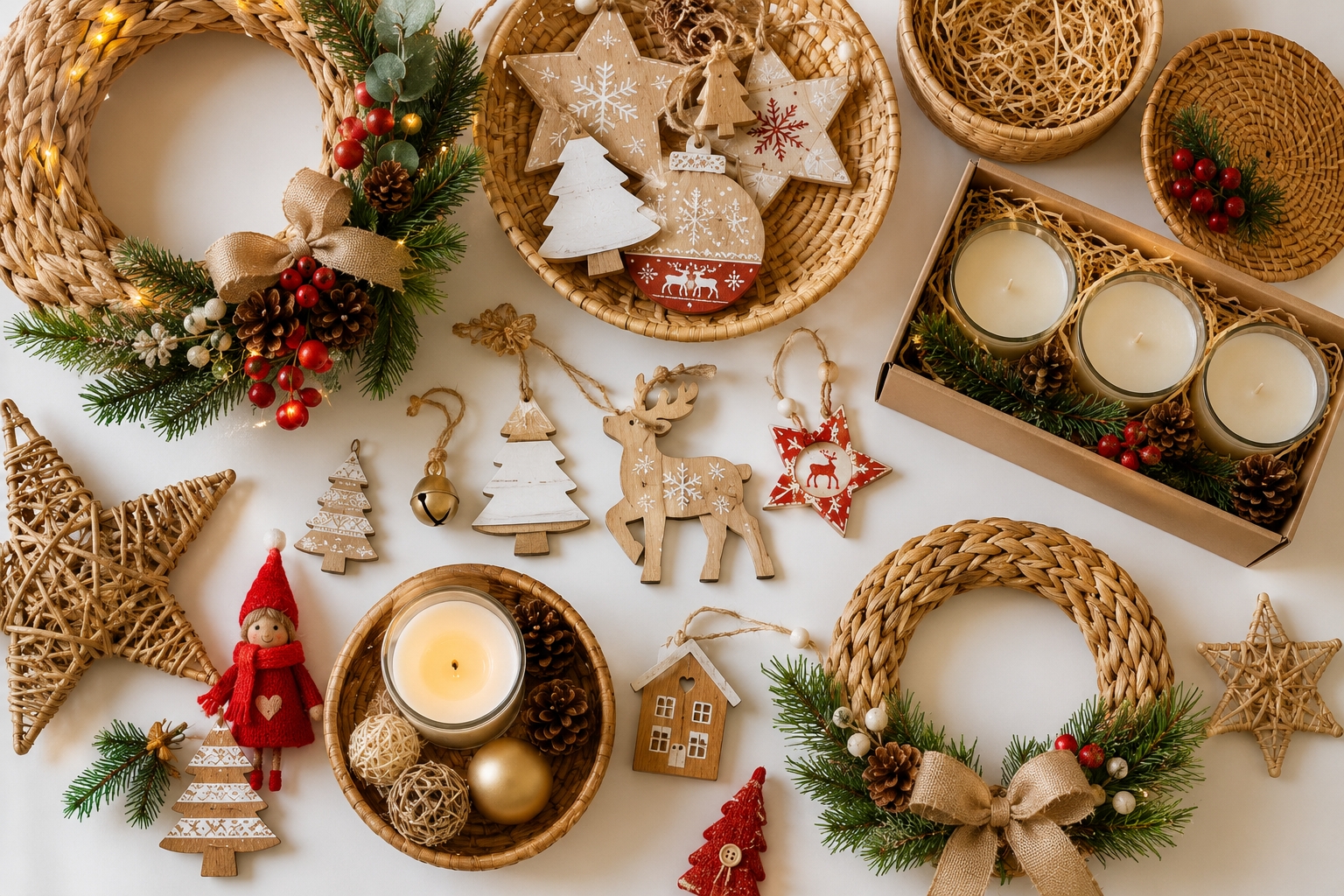
Christmas Decorations from Vietnam: Wholesale Sourcing Guide for Retailers 2026

Hire a Vietnam Sourcing Agent or Visit Factories Yourself? Cost Comparison 2025


